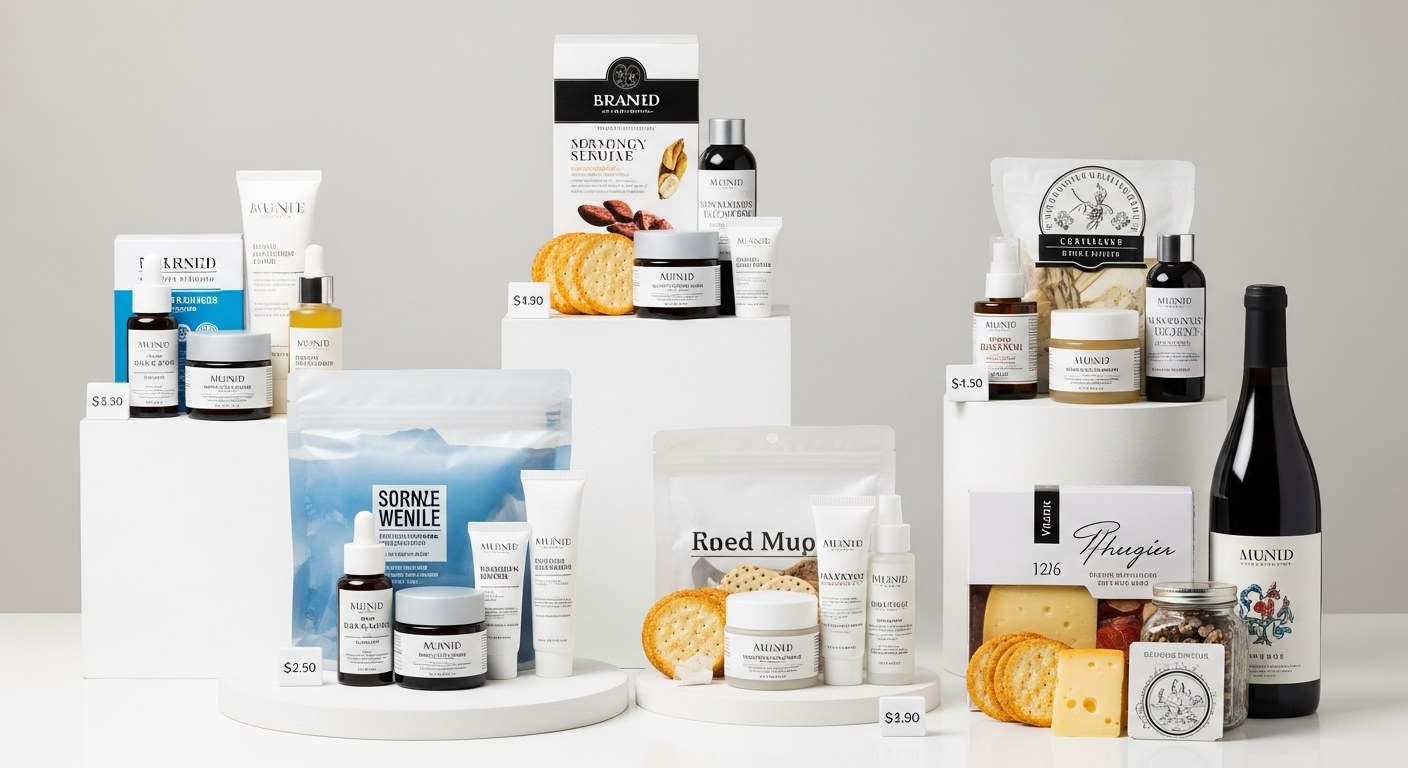
The Shopify Bundles app lets merchants create fixed and mix-and-match product bundles natively — no third-party plugin required — and it directly increases average order value by giving customers an incentive to buy more in a single transaction. Product bundling increases AOV by 10–30% for most Shopify stores, and Shopify's own native app handles the majority of bundling use cases that previously required a paid third-party solution like Bold Bundles or Bundler.
TL;DR — Key Takeaways
- Shopify's native Bundles app is free and supports fixed and mix-and-match bundle types with per-component inventory tracking
- Bundling increases AOV by 10–30%; mix-and-match outperforms fixed bundles by 22% on conversion for apparel and beauty
- The optimal discount range is 10–20% — deep enough to motivate purchase, shallow enough to protect margin
- Bundle placement matters as much as bundle construction — cart page and product detail page placements outperform homepage featuring for direct conversion
- Most merchants under $5M GMV don't need a paid bundling app; the native solution handles the core use cases
Why Bundling Is the Fastest AOV Lever Available to Shopify Merchants
Most ecommerce growth conversations start with traffic — more ads, more SEO, more content. But increasing average order value is mathematically equivalent to increasing traffic at the same conversion rate. A 15% lift in AOV on a $100K/month store adds $15K in monthly revenue without spending a dollar more on acquisition. Bundling is the fastest way to move that number.
The behavioral mechanic is simple: customers who are already in buying mode are receptive to purchasing more if the value proposition is clear. A bundle removes the friction of separately evaluating each item and replaces it with a single, simplified decision — "do I want this set at a discount?" — which is much easier to say yes to. That's why bundle conversion rates run significantly higher than standard upsell prompts.
What makes 2026 different is that Shopify now handles the core bundling use case natively, through the free Shopify Bundles app. Before 2023, merchants had to pay $20–$50/month for a third-party bundling app and accept the inventory tracking headaches that came with it. Most of those pain points are now solved inside the platform itself — which means there's no longer a cost barrier to getting started.
Shopify's Native Bundles App: What It Can and Can't Do
Shopify released the native Bundles app in 2023 and it has matured significantly through 2026. It's available free from the Shopify App Store and works across all Shopify plan tiers. Here's what's actually included:
What It Can Do
- Fixed bundles: Group specific products into a single bundle listing with a set price or percentage discount
- Mix-and-match bundles: Let customers select N items from a curated product list to build their own bundle
- Per-component inventory tracking: Tracks stock at the component level, not just the bundle level — so a bundle is automatically unavailable when any component sells out
- Bundle-specific pricing: Set a flat bundle price or a percentage discount off the sum of individual item prices
- Quantity rules: Define minimum quantities for mix-and-match bundles (e.g., "pick any 3")
- Works with Shopify's native checkout: No checkout conflicts or compatibility issues with Shopify's extensibility framework
What It Cannot Do
- Subscription or recurring bundles (needs Recharge or Bold Subscriptions)
- Tiered bundle pricing (e.g., "buy 3 for 10% off, buy 5 for 20% off")
- Bundle upsells inside the checkout page itself (for that, use Shopify's checkout UI extensions)
- Deeply custom bundle display templates beyond what the native app provides
- Cross-selling logic based on purchase history or behavioral data
For the vast majority of Shopify merchants under $5M in annual GMV, the native app handles everything needed. The paid third-party app tier only makes sense when you've maxed out the native feature set and have specific use cases it can't accommodate.
| Feature | Shopify Native Bundles | Bold Bundles / Bundler Pro |
|---|---|---|
| Cost | Free | $20–$50/month |
| Fixed bundles | ✓ | ✓ |
| Mix-and-match bundles | ✓ | ✓ |
| Per-component inventory tracking | ✓ (native) | Varies by app |
| Tiered bundle pricing | ✗ | ✓ |
| Subscription bundles | ✗ | Varies (needs integration) |
| Checkout compatibility | Native — no conflicts | Depends on app version |
| Custom display templates | Limited | More flexible |
Fixed vs. Mix-and-Match Bundles: When to Use Each
The bundle type you lead with should follow your product category and customer behavior, not just what's easiest to set up. Both formats work — they just work for different reasons.
Fixed Bundles: Best for Curated Sets and Gift Purchases
Fixed bundles pre-determine exactly which products are included. The merchant makes the decision, not the customer. This works when:
- You're selling a clear "starter kit" or "complete system" (a skincare routine, a coffee brewing setup, a pet care essentials pack)
- The products genuinely work together and customers may not know which items to combine
- Gift-giving is a significant purchase occasion for your category — gift-givers want a pre-solved bundle, not a build-your-own experience
- You have overstocked or slower-moving SKUs you want to pair with bestsellers
Fixed bundles are easier to merchandise and photograph as a hero product, which makes them strong for paid social creative. A clean lifestyle shot of the full bundle — styled together, with the discount prominently stated — outperforms most individual product ads on click-through rate.
Mix-and-Match Bundles: Best for Personalization and High-SKU Catalogs
Mix-and-match bundles let customers build their own selection from a product set. They convert 22% higher than fixed bundles for apparel and beauty categories, according to 2026 LimeSpot and Shopify data, because personal preference is a strong purchase driver in those categories. If a customer gets to choose the colors, scents, or flavors they want, the bundle feels custom to them — which dramatically reduces hesitation.
Use mix-and-match when:
- Your catalog has meaningful variance across flavors, colors, or scents where personal preference matters
- Customers frequently purchase multiple units of the same product type (e.g., candles, supplements, snacks)
- You want to introduce customers to new SKUs by making it easy to sample without committing to a full-size single purchase
Pricing and Discount Strategy: How Much to Offer Without Crushing Margin
The bundle discount needs to be compelling enough to change behavior but conservative enough to protect your gross margin. Getting this math wrong in either direction is costly — too shallow and customers ignore the bundle; too deep and you're subsidizing revenue that would have happened anyway at full price.
The 10–20% Sweet Spot
For most categories, a 10–20% bundle discount moves the needle without meaningful margin erosion. Customers perceive a 15% discount as genuinely valuable — it exceeds most email promotional discounts and feels like a real benefit. Below 10%, the savings often aren't salient enough to change the default behavior of buying one item at a time.
Above 20%, you risk training customers to wait for bundle deals and cannibalizing full-price single-item purchases. The exception is clearance bundling — pairing a slow-moving SKU with a bestseller at a steeper discount to move aged inventory. That's a margin-recovery play, not an AOV play, and should be treated separately.
Run the Margin Math Before You Launch
Before setting a bundle discount, calculate your blended gross margin across the bundle components. If your average gross margin is 55% and you offer a 20% bundle discount, you're trading down to roughly 44% gross margin on bundled revenue. That's still healthy for most DTC categories, but it needs to be a deliberate decision — not something discovered after the fact in a quarterly P&L review.
| Bundle Discount | Effective Gross Margin | Verdict |
|---|---|---|
| 5% | ~52% | Margin-safe, low behavioral impact |
| 10% | ~50% | Good starting point |
| 15% | ~47% | Sweet spot for most categories |
| 20% | ~44% | Strong incentive, watch category margin |
| 25%+ | <41% | Clearance/liquidation territory only |
One margin-protection tactic: design bundles around products with different margin profiles. Pair a high-margin accessory or consumable with a lower-margin hero product. The blended margin on the bundle can be higher than the hero product alone, even after applying the bundle discount.
Merchandising and Placement: Where to Feature Bundles in Your Store
Bundle construction is only half the job. Where and how you surface the bundle determines whether customers find it at the right moment in the purchase journey.
Product Detail Page (PDP): Highest Conversion Placement
Surfacing a bundle directly on a product detail page — either as a "Frequently Bought Together" section or a tabbed bundle option below the main product — captures customers at peak purchase intent. They've already decided they're interested in a product; showing them a bundle at that moment makes the upgrade decision easy. This is consistently the highest-converting placement across our clients' stores.
The Shopify Bundles app creates a separate bundle product listing, which means you'll need to link to the bundle from the PDP via a theme customization or app integration. Work with your developer to add a "Build a Bundle" or "Complete the Set" component below the Add to Cart button on relevant product pages.
Cart Page: Last-Chance Upsell Before Checkout
Displaying bundle options on the cart page catches customers who are already committed to purchasing and gives them one more opportunity to add before they move to checkout. Cart-page bundle placements work particularly well for consumable and replenishable products — customers buying a single unit of something they'll repurchase are good candidates for a discounted bundle. For a full breakdown of cart and checkout revenue optimization, the Shopify checkout optimization guide covers the sequencing of interventions from cart to confirmation.
Collection Pages: Discovery-Phase Bundling
Featured bundles on collection pages work best as a top-of-page highlight — a single featured bundle product card with a clear "Save 15%" badge. This introduces the bundle concept early in the browsing journey rather than waiting until the customer is already at a product or cart. It's less conversion-focused and more awareness-focused; the benefit is that it sets expectations before the customer has committed to a specific item.
Homepage and Marketing Channels: Campaign Moments Only
Homepage bundle featuring works best as a campaign-specific tactic — holiday gift sets, seasonal launches, or a new bundle release — rather than a permanent fixture. Permanent homepage bundle placements tend to get ignored over time as returning customers habituate to them. Rotating bundles as seasonal highlights keeps them feeling fresh and motivates purchase urgency.
For paid social and email, bundles make compelling creative subjects. A hero bundle image outperforms individual product shots in "complete the look" or "build your kit" creative formats on Meta. If you're running structured creative tests, put a bundle-focused ad set against your best single-product ad set and measure AOV difference, not just ROAS — a bundle ad may show lower ROAS at the campaign level while generating significantly higher revenue per customer. For broader Shopify store optimization work that goes beyond bundling, our ecommerce team can audit your full revenue architecture and prioritize the highest-impact changes. Bundling pairs particularly well with a proper shopify wishlist app ecommerce setup — wishlist data feeds the same high-intent email flows that make bundle offers land.
Measuring Bundle Performance: The Right Metrics
Once your bundles are live, track these metrics weekly for the first 30 days:
- Bundle attach rate: What percentage of orders contain a bundle? A healthy benchmark is 8–15% within 60 days of launch for a well-placed bundle.
- AOV lift on bundle orders vs. non-bundle orders: Compare average order value between orders containing a bundle and those that don't. This is your true AOV impact.
- Bundle gross margin: Confirm the blended margin on bundle orders is meeting your target. If bundled orders have dramatically lower margins than expected, revisit the discount depth.
- Top bundle conversion path: Which placement drove the most bundle purchases — PDP, cart, or collection? Double down on the highest-performing placement.
A well-structured bundling program, paired with a smart ecommerce growth strategy, can add meaningful incremental revenue without any increase in ad spend. If your store is doing over $30K/month and you don't have bundles live yet, that's an immediate priority — the opportunity cost of waiting is real and measurable.
FAQ: Shopify Bundles and AOV Optimization
Is the Shopify Bundles app free?
Yes, Shopify's native Bundles app is completely free to install from the Shopify App Store. There are no monthly fees or transaction charges associated with the app itself. The only costs are the standard Shopify transaction fees that apply to all orders on your plan, which remain the same whether or not a customer purchases a bundle.
What is the difference between fixed bundles and mix-and-match bundles on Shopify?
Fixed bundles are pre-set product groupings where the merchant determines exactly which items are included — for example, a skincare starter kit with a cleanser, toner, and moisturizer at a set price. Mix-and-match bundles let customers build their own bundle by choosing from a curated selection of products, typically with a discount applied when they hit a minimum quantity. Fixed bundles work best for gift sets and curated starter kits; mix-and-match bundles outperform on conversion in categories like apparel and beauty where personal preference matters.
Does Shopify's native Bundles app replace Bold Bundles?
For most merchants, yes — Shopify's native Bundles app covers the core use cases that Bold Bundles was built for, including fixed and mix-and-match bundle types with percentage or flat-rate discounts. The primary advantage of the native app is that it maintains accurate inventory tracking per component, which third-party apps have historically struggled with. Merchants who need advanced bundle logic — tiered pricing, subscription bundles, or deeply customized bundle display templates — may still need a third-party solution, but the majority of Shopify stores under $5M in annual revenue will find the native app sufficient.
How much does product bundling actually increase AOV?
Product bundling increases average order value by 10–30% for most ecommerce brands, according to Shopify merchant case studies from 2026. The actual lift depends heavily on category, bundle construction, and discount depth. Apparel and beauty brands using mix-and-match bundles at 15–20% discount see the strongest results. The key is offering a bundle discount that exceeds what a customer would get buying items individually on sale, while still protecting your gross margin — typically 10–20% off is the sweet spot.
Can I use Shopify Bundles with Shopify's subscription features?
The native Shopify Bundles app does not natively support subscription or recurring-purchase bundles. For subscription bundling — where customers receive a curated bundle on a weekly or monthly basis — you'll need a dedicated subscription app like Recharge or Bold Subscriptions that supports bundle configuration. Some brands combine native Bundles for one-time purchase bundles with a subscription app for recurring bundle options, running both simultaneously. This gives customers the flexibility to choose while maximizing both AOV and LTV.
Need Help Setting Up Bundles That Actually Convert?
Configuring bundles is straightforward — building a bundling strategy that fits your margin structure, product catalog, and customer behavior takes more nuance. Our team has set up bundle programs for Shopify brands across beauty, apparel, food, and home categories, and we know what works at different revenue stages. Talk to our Shopify team to get a quick read on whether your current store setup is leaving AOV on the table.